
Savoring Smarter: Your Guide to Low-Calorie Beers
Quick answer: Do not stop at the headline calorie or macro number. Start with the serving you will actually eat, then check calories, protein, fiber, sodium, added sugar, saturated fat, ingredients, and allergens against your real goal.
Key takeaways
- Serving size usually changes the answer more than the label headline.
- Compare the tradeoff that matters most for your goal: calories, protein, fiber, sodium, added sugar, saturated fat, ingredients, or allergens.
- One item rarely decides the whole diet; repeated weekly patterns matter more.
- Use official labels and menus when available, then log the real portion you ate.
Definition: In this guide, a smarter food decision means checking the real portion, the practical tradeoffs, personal limits, and the repeat pattern before turning one answer into a rule.
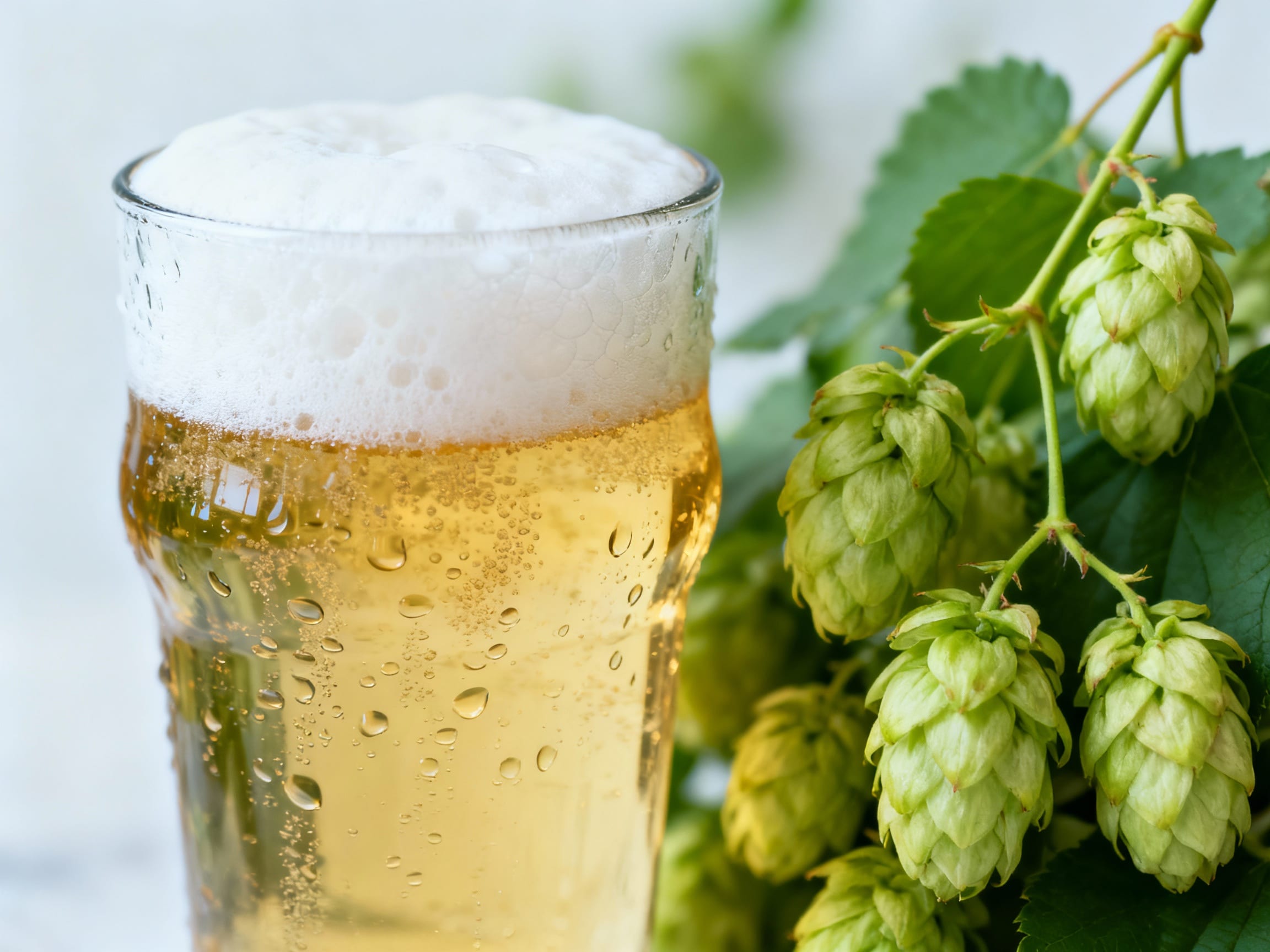
Remember that time you promised yourself you'd eat healthier, then a friend handed you a frosty beer at a backyard BBQ? Or maybe the aroma of hops fills the air during a post-work wind-down, but so does the silent guilt about your dietary goals. It’s a common dilemma: how do you enjoy beer, a beloved social staple, without it becoming a diet destroyer?
The good news is, you don't always have to choose. The world of low-calorie beers has come a long way, offering flavorful options that align better with a health-conscious lifestyle.
That Post-Workout Pint: Friend or Foe to Your Goals?
For many, a refreshing beer after a long week or a tough workout sounds ideal. But what's the real impact of that pint on your health goals? Standard beers can pack a surprising caloric punch. A typical 12-ounce serving of regular lager might hover around 150 calories, while an IPA could easily hit 180-200 calories, and some stouts can even exceed 200 calories. Alcohol itself contributes significantly, with about 7 calories per gram, meaning higher ABV (Alcohol by Volume) beers generally mean more calories. It's easy to see how a couple of these can quickly add up, potentially derailing your efforts to eat healthier or manage your weight.
What Makes a Beer "Light" Anyway, Beyond the Label?
So, when a beer proudly proclaims itself "light" or "diet," what does that actually mean? Brewers achieve lower calorie counts primarily by reducing the alcohol content, the carbohydrate content, or both. This often involves specialized brewing techniques that result in less residual sugar after fermentation. They might use different malts or enzymes to break down more starches into fermentable sugars, leaving less behind.
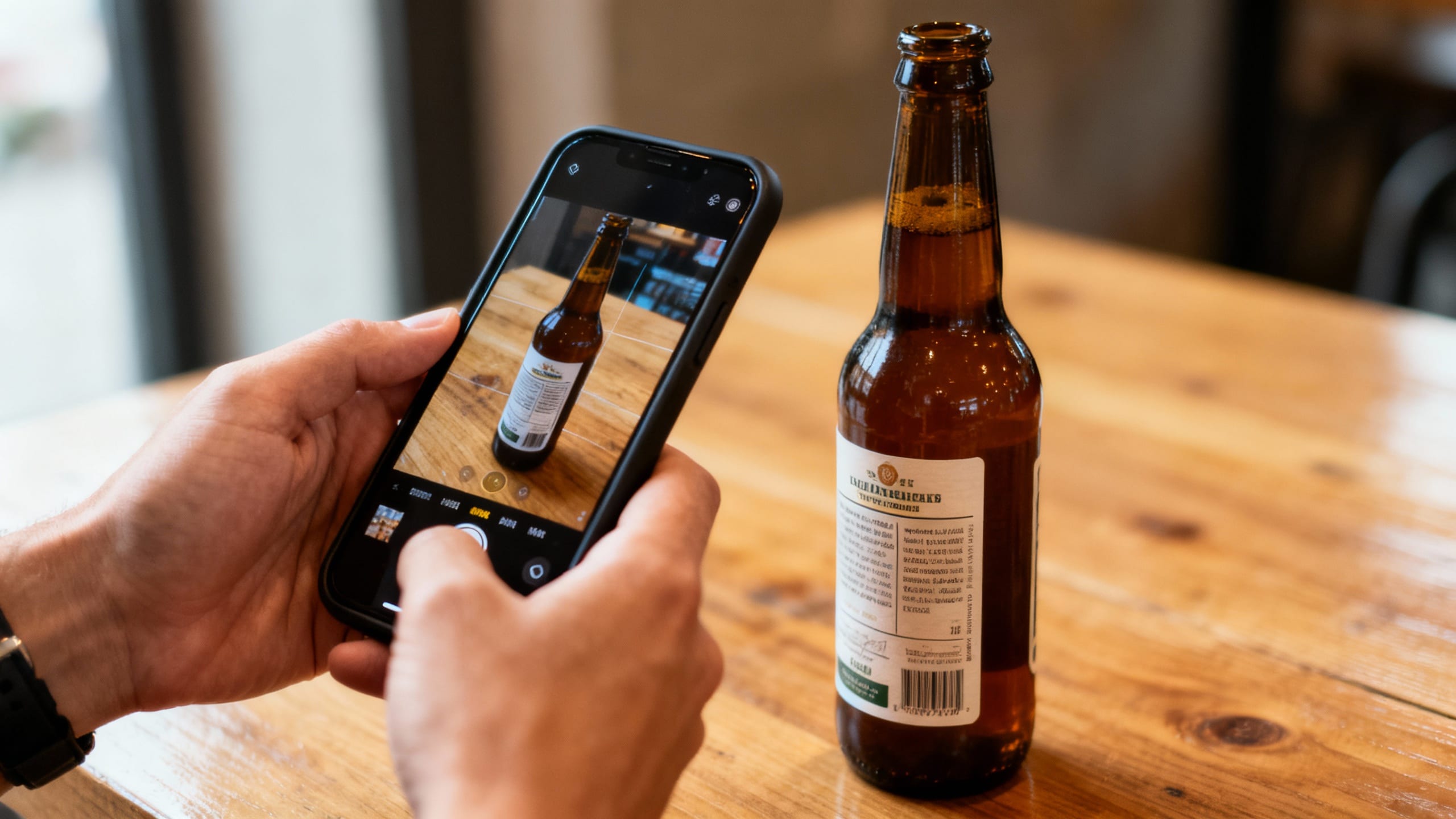
However, simply trusting a "light" label isn't always enough. This is where tools like Eatibo become your secret weapon. Simply point your phone camera at a beer's nutrition label, and Eatibo instantly gives you the real calorie count, macros, and even flags for additives or allergens you might want to avoid. No more guessing games or squinting at tiny fonts trying to decipher tiny print. You'll quickly see the difference: some "light" beers truly cut calories dramatically, while others might only offer a marginal reduction.
Beyond the Big Brands: Are There Actually Tasty Low-Calorie Craft Options?
The stereotype of low-calorie beer being bland or tasteless is thankfully becoming a relic of the past. Craft brewers, known for their innovation and flavor-first approach, are increasingly entering the low-cal space. They're proving that you don't have to sacrifice taste for fewer calories.
You might find excellent options in styles like session IPAs, which offer hoppy flavor with a lower ABV and thus fewer calories. Certain tart sours can also be naturally lower in calories and carbs due to their brewing process. Even some modern light lagers from craft breweries are designed for crispness and flavor without the heavy calorie load. Look for beers with an ABV under 5% or even 4% for a good starting point. While specific calorie counts vary by brand, you can often find craft options in the 90-120 calorie range per 12 ounces.
How Can I Enjoy Beer Without Undermining My Health Progress?
Integrating low-calorie beers into a healthy lifestyle is all about mindful choices and strategic planning. Portion control is key—even a low-calorie beer contributes. Consider pairing your beer with healthier snacks like veggie sticks, air-popped popcorn, or nuts instead of greasy pub fare. If you're following a specific dietary plan, like low-carb or weight loss, understanding the carb content of your chosen beer is just as important as calories.
Once you've found your go-to lower-calorie options, how do you ensure they align with your overall health journey? This is where Eatibo truly shines as your smart nutrition coach. After a scan, it helps you categorize that beer as 'Eat' (enjoy in moderation), 'Limit,' or 'Skip' based on your personal goals—whether that's muscle gain, weight loss, or even seed-oil-free eating. It simplifies tracking, offers clean food logs with calendar views, and shows you weekly trends so you can make informed choices, one sip at a time.
Sip Smarter, Not Harder: Your Path to Mindful Beer Enjoyment
The landscape of beer is evolving, and with it, the opportunities for enjoying your favorite beverage more mindfully. Knowledge is power, especially when choosing beers that fit your lifestyle. Low-calorie no longer means low-flavor, and a growing number of delicious options are available to explore. Pay attention to labels, experiment with different styles, and remember that tools exist to help you stay on track. By making informed choices, you can savor every sip without guilt, aligning your love for beer with your personal health goals. Cheers to enjoying life's pleasures responsibly!
Decision framework
| What to check | Why it changes the answer | Practical next step |
|---|---|---|
| Serving size or portion | Calories, sodium, sugar, carbs, and fat scale with the amount actually eaten | Log the realistic portion, not the ideal one |
| Protein, fiber, sodium, added sugar, and saturated fat | These decide whether the choice supports fullness and long-term habits | Compare the tradeoff that matters most for your goal |
| Ingredients, sauces, breading, or add-ons | Small extras can change the result quickly | Compare the base item and extras separately |
| Personal restriction applies | General nutrition advice cannot know every boundary | Follow allergy, medication, religious, or clinician-directed rules first |
Concrete examples
- If the food looks healthy but the serving is tiny, check what a realistic portion does to calories, sodium, or sugar.
- If two options have similar calories, choose the one with more protein, fiber, or ingredients you tolerate.
- If the food is occasional and you enjoy it, log it honestly instead of building a strict rule you will not keep.
Limits and safety notes
This guide is for everyday food awareness. It is not a diagnosis tool, allergy authority, medication checker, eating-disorder recovery plan, or substitute for a clinician or registered dietitian. For diagnosed conditions, pregnancy, kidney disease, diabetes medication, severe allergies, or clinician-directed diets, get professional guidance before changing your routine.
Where Eatibo fits
Eatibo is useful when a question turns into something you need to compare or log. You can scan a meal photo, barcode, nutrition label, or ingredient list, review calories and macros, check sodium, added sugar, allergens, additives, and ingredients, then save the result to your Nutrition Log. The point is not one perfect judgment; it is making the next similar choice easier because your own pattern is visible.
Sources and references
- FDA: Calories on the Nutrition Facts Label
- FDA: How to understand and use the Nutrition Facts label
- HHS/ODPHP: Current Dietary Guidelines for Americans
Frequently asked questions
Is this something I need to avoid completely?
Usually no. The better question is portion, frequency, and fit. A food can be fine occasionally but less useful as an everyday default if it repeatedly pushes sodium, added sugar, saturated fat, calories, or allergens past your limits.
What should I check first?
Start with the serving size you will actually eat. Then check the tradeoff most relevant to your goal: calories, protein, fiber, sodium, added sugar, saturated fat, ingredients, or allergens. The order matters because a tiny serving can hide a bigger real-world intake.
How can Eatibo help me decide faster?
Eatibo helps you scan or log the choice, compare the practical nutrition details, and review the pattern later. It is most useful for repeat decisions because the app can show whether similar foods are helping your weekly routine or quietly pushing it off track.
Related reading
- Decoding Corn Tortilla Calories: Your Smart Guide to Smarter Taco Nights
- Acai Bowl Calories: Your Guide to a Smarter Treat
- Decoding the Costco Chicken Bake – Your Guide to Smart Indulgence
Last updated: June 1, 2026