
That Mouthwatering Aroma: Are You Making the Smartest Choices at Turco Mediterranean Grill?
Quick answer: Treat restaurant nutrition as an estimate, not a promise. Portions, sauces, fried coatings, sides, drinks, and substitutions can change the result quickly, so compare the menu first and log the plate you actually eat when possible.
Key takeaways
- Start with the menu item, then check sides, sauces, drinks, and serving size.
- Calories matter, but sodium, saturated fat, protein, fiber, and allergens often decide whether a meal fits your goal.
- Restaurant data varies by location and preparation, so avoid pretending an estimate is exact.
- If a place does not publish nutrition, use a close match and review the weekly pattern.
Definition: In this guide, a smarter dining decision means checking the menu context, the likely portion, personal limits, and the repeat pattern before turning one meal into a rule.
Ever stepped into a restaurant, perhaps your local Turco Mediterranean Grill, and been enveloped by the incredible aroma of sizzling kebabs and fresh herbs, only to feel a little lost navigating the menu? It's a common dilemma. We want to savor every delicious bite, but also make choices that align with our health goals.
The Mediterranean diet often gets a "health halo," and for good reason – it's rich in fresh vegetables, lean proteins, and healthy fats. But like any cuisine, nuances exist, and it's easy to accidentally derail your dietary efforts without a little insight.
What's Really on Your Plate? Unpacking Popular Turco Mediterranean Dishes
When you're at a Turco Mediterranean Grill, it's helpful to understand the components of popular dishes. Let's look at a few mainstays.
Doner/Gyro Kebab: This iconic dish typically features thinly sliced, seasoned meat (often lamb, beef, or chicken) cooked on a vertical rotisserie. It's usually served in pita bread or lavash with various toppings like lettuce, tomato, onion, and a yogurt-based sauce (tzatziki or cacık). While the grilled meat can be lean, the portion sizes, bread, and creamy sauces can add up in calories and fats.
Adana Kebab: Originating from the city of Adana in Turkey, this is a long, hand-minced meat kebab mounted on a wide iron skewer and grilled over charcoal. It's known for its rich flavor, often spicy, and generally served with grilled vegetables and lavash. The meat itself is usually quite lean, but again, accompanyments can influence the overall nutritional profile.
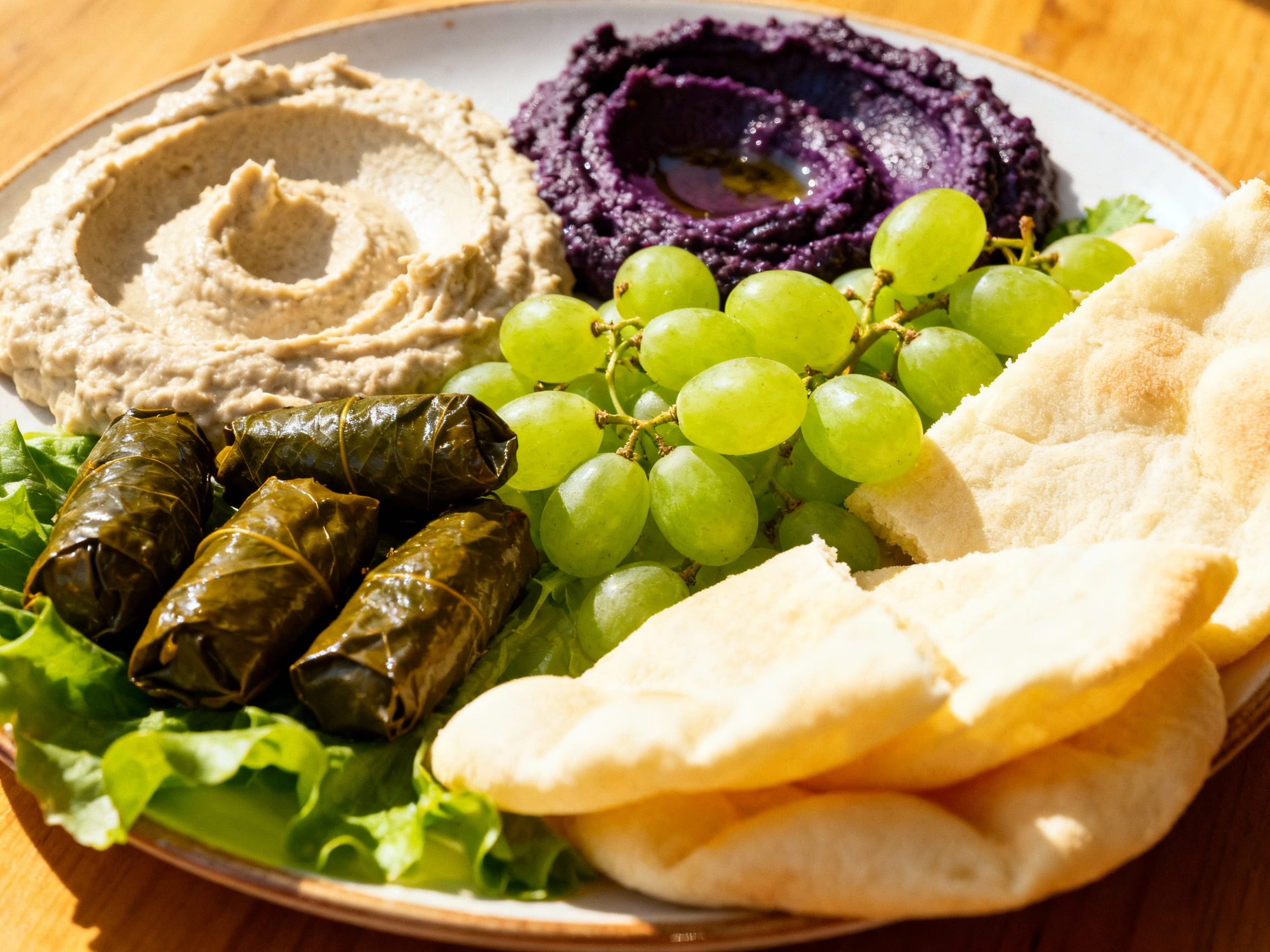
Mezze Platter: A fantastic way to sample many flavors, mezze platters often include hummus, baba ghanoush, dolma (stuffed grape leaves), tabbouleh, and various dips and salads, served with pita bread. This can be a very healthy option, packed with fiber and nutrients from vegetables and legumes. However, dips can be calorie-dense, and excessive bread consumption can add quickly to your carb intake.
Lahmacun: Often called "Turkish pizza," Lahmacun is a thin, round piece of dough topped with minced meat (usually beef or lamb), finely chopped vegetables and herbs like onion, garlic, parsley, tomatoes, and red pepper, then baked. It's typically light and flavorful, but like any bread-based item, portion control is key.
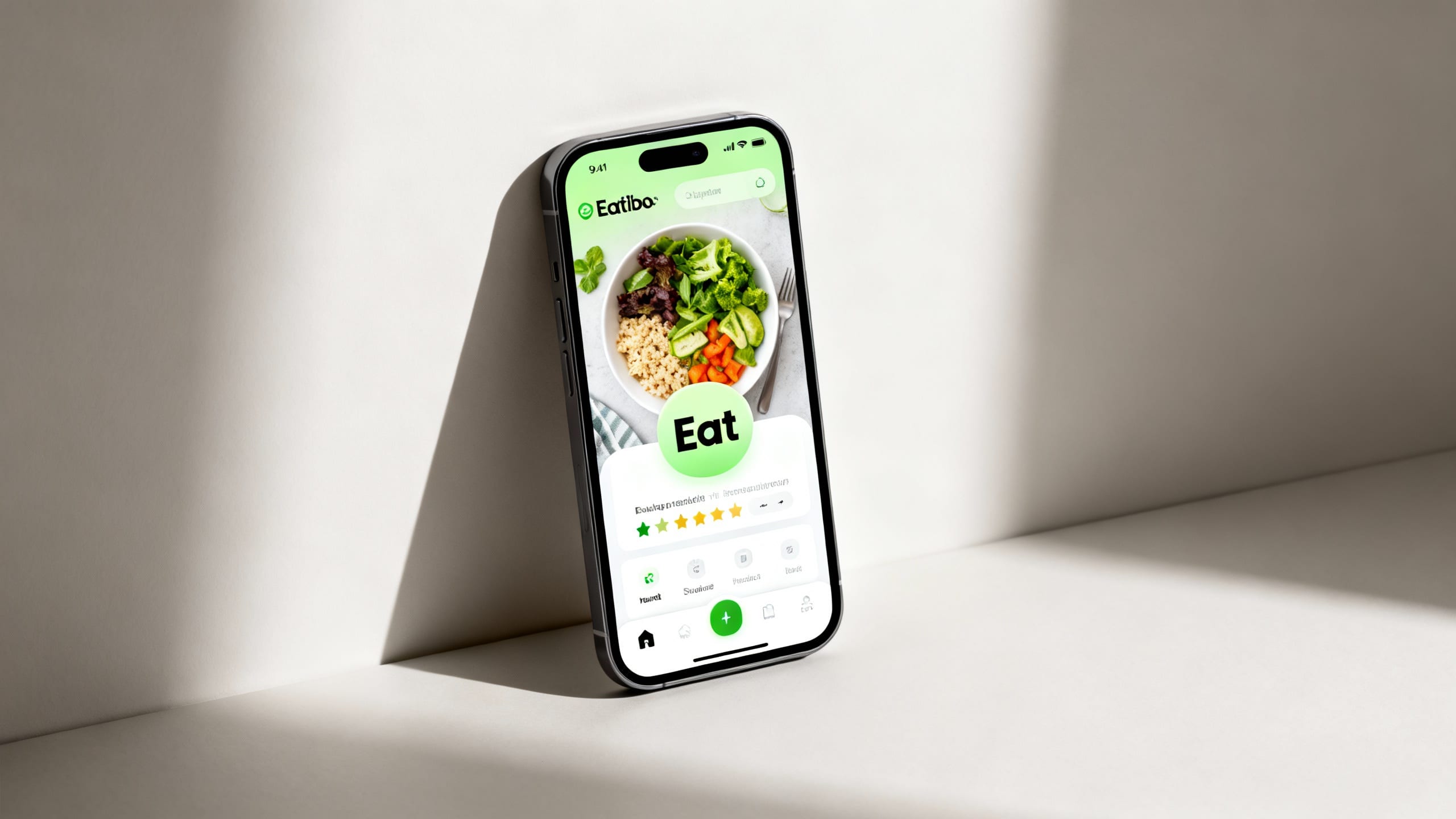
Imagine you're eyeing a Doner Kebab on the menu. Instead of just guessing, you could quickly use Eatibo to scan the menu description or even a photo of the dish. Eatibo provides an instant breakdown of calories, macros, and potential additives, helping you decide if it’s an 'Eat,' 'Limit,' or 'Skip' for your specific goals. It's like having a personal nutritionist in your pocket!
Are There Hidden Landmines for Your Diet? Allergens & Additives to Watch Out For
Even in seemingly healthy cuisine, it's wise to be aware of potential dietary pitfalls, especially if you have specific restrictions or goals.
Common Allergens:
- Gluten: Found in pita bread, lavash, lahmacun, and sometimes as a thickener in sauces.
- Dairy: Yogurt-based sauces (tzatziki/cacık), some cheeses, and desserts.
- Nuts: Occasionally in desserts (like baklava with pistachios or walnuts) or as garnishes.
- Sesame: Tahini, a paste made from sesame seeds, is a key ingredient in hummus and baba ghanoush.
Oils and Additives: While traditional Mediterranean cooking champions olive oil, some establishments, especially those catering to a faster pace or larger scale, might use more processed seed oils (like sunflower or canola oil) for frying or in salad dressings. It's always good to inquire if you're concerned about specific oil types. Additives are less common in freshly prepared Turco Mediterranean food but can appear in pre-made sauces or processed meats.
For those with specific dietary needs like low-sugar, seed-oil-free, or certain allergies, Eatibo becomes an invaluable guide. Simply point your camera at the ingredient list (if available) or even a dish, and Eatibo flags allergens and evaluates ingredients against your personalized preferences, ensuring you can enjoy your meal without worry.
Making Smart Swaps: How to Enjoy Turco Mediterranean Grill Guilt-Free
You don't have to sacrifice flavor to eat well. Here are some actionable tips for making healthier choices at a Turco Mediterranean Grill:
- Prioritize Grilled Meats: Opt for chicken shish, Adana, or lamb kebabs, which are typically lean and grilled, making them excellent protein sources.
- Load Up on Veggies: Embrace the mezze! Choose salads like tabbouleh or shepherd's salad, and grilled vegetables. Ask for extra salad instead of rice or bread.
- Sauce on the Side: Request dressings and yogurt sauces on the side so you can control your portion.
- Watch the Bread: Enjoy pita or lavash in moderation. It's delicious, but calories and carbs add up quickly.
- Hydrate Smart: Stick to water or unsweetened tea instead of sugary sodas.
- Portion Control: Turco Mediterranean portions can be generous. Consider sharing a main course or taking half home for lunch tomorrow.
Your Personalized Plate: Eating Smarter, One Scan at a Time
Enjoying delicious food and meeting your health goals are not mutually exclusive. The key lies in becoming an informed diner. When you walk into your favorite Turco Mediterranean Grill, you're not just choosing a meal; you're making a choice for your body.
Next time you're craving those authentic flavors, equip yourself with the knowledge to make choices that nourish your body and delight your palate. Tools like Eatibo empower you to understand exactly what you're eating, simplifying nutrition and helping you stay on track, whether you're aiming for muscle gain, weight loss, or avoiding specific ingredients. Eat smarter, not harder.
Decision framework
| What to check | Why it changes the meal | Practical next step |
|---|---|---|
| Portion, side, sauce, and drink | These often add more calories, sodium, sugar, or saturated fat than the main item | Compare the full order, not just the entree |
| Fried, creamy, or sweet add-ons | Preparation changes can move a meal from moderate to heavy quickly | Ask for sauce on the side or choose grilled, roasted, or simpler options when that fits your goal |
| Published nutrition is missing | Local recipes and serving sizes vary | Use a close estimate, log the meal, and watch repeat patterns |
| Allergy, medication, or clinician-directed diet applies | Restaurant estimates cannot guarantee safety | Follow the stricter rule and ask staff or a qualified professional when needed |
Concrete examples
- If two meals look similar, compare the full order with sides and drinks before judging.
- If the menu does not publish nutrition, log a close match and check whether that type of meal repeats during the week.
- If sodium or allergens matter, ask about sauces, marinades, and substitutions instead of relying only on the menu title.
Limits and safety notes
Restaurant nutrition is approximate and can vary by location, supplier, preparation, and portion. This guide is not allergy clearance, diabetes management, eating-disorder recovery advice, or a substitute for a clinician or registered dietitian.
Where Eatibo fits
Eatibo is useful after the menu decision gets real. You can scan a plate, barcode, or nutrition label, compare calories and macros, check sodium, added sugar, allergens, additives, and ingredients, then save the meal to your Nutrition Log. The goal is not perfect restaurant math; it is seeing whether similar meals are helping or hurting your weekly pattern.
Sources and references
- FDA: Calories on the Menu
- FDA: How to understand and use the Nutrition Facts label
- HHS/ODPHP: Current Dietary Guidelines for Americans
Frequently asked questions
Can I trust restaurant calorie numbers exactly?
Use them as estimates. Standard menu labels help, but local preparation, serving size, sauces, and substitutions can change the final meal.
What should I check first when eating out?
Start with the full order: entree, side, sauce, drink, and dessert. Then check the tradeoff that matters most for your goal, such as sodium, protein, added sugar, saturated fat, or calories.
How can Eatibo help after a restaurant meal?
Eatibo can log the actual plate and help you compare similar meals over the week, which is more useful than treating one estimate as perfect.
Related reading
- Savoring the Mediterranean Diet: Your Guide to Healthier Grilling & Grocery Shopping
- Unlocking the Mediterranean Diet: Key Ingredients for a Longer, Healthier Life
- Elevate Your Plate: Unlocking the Magic of Mediterranean Seasoning
Last updated: June 1, 2026