
Unlocking the Mediterranean Diet: Key Ingredients for a Longer, Healthier Life
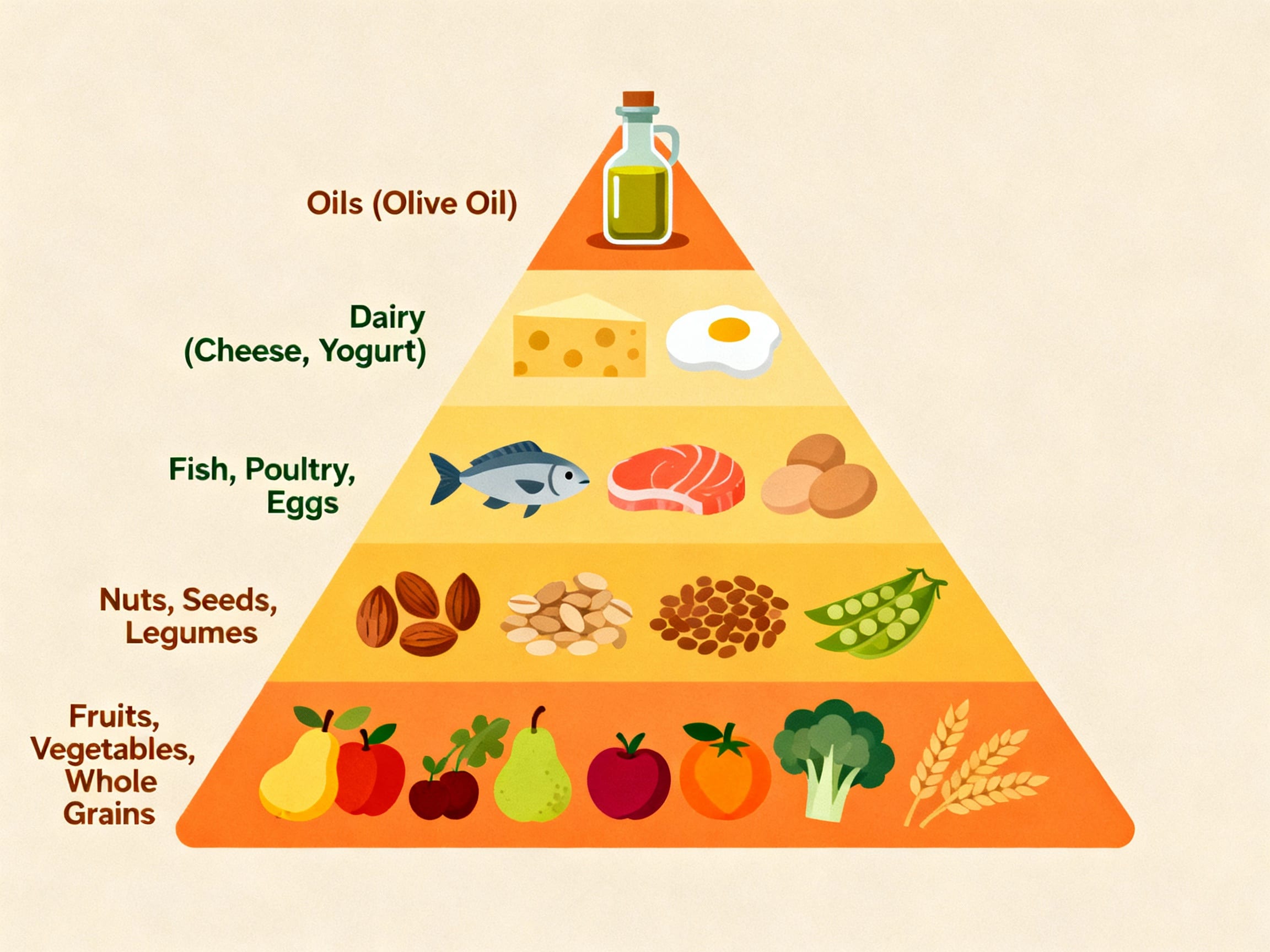
Quick answer: Mediterranean-style eating works best as a pattern, not as a magic label. Look for vegetables, beans, whole grains, olive oil, seafood, yogurt, herbs, and minimally processed foods, then still check portions, sodium, protein, fiber, and added sugar.
Key takeaways
- The Mediterranean pattern is flexible; it is not one fixed meal plan.
- Olive oil, nuts, bread, rice, pasta, cheese, and wine can fit, but portions still matter.
- Protein, fiber, sodium, and added sugar make the difference between a helpful meal and a vague wellness claim.
- Use the label, menu, or meal photo when you need a decision you can repeat.
Definition: In this guide, a smarter Mediterranean food decision means checking the actual dish, the practical nutrition tradeoffs, personal limits, and the repeat pattern before treating a cuisine label as a health guarantee.
Did you know that residents of the "Blue Zone" Mediterranean island of Ikaria live, on average, a decade longer and with significantly lower rates of chronic disease than most Westerners? Their secret isn't a miracle drug – it's often found right on their plate. Imagine a lifestyle where delicious food isn't just a treat, but a prescription for a longer, healthier life. We've all heard the buzz about the Mediterranean diet, but what really makes it the gold standard for healthy eating?
What's the Big Deal About the Mediterranean Diet, Anyway?
The Mediterranean diet isn't just another fad; it's a time-tested eating pattern rooted in the traditional cuisines of countries bordering the Mediterranean Sea. Unlike restrictive diets, it emphasizes a holistic approach to food and lifestyle, focusing on whole, unprocessed ingredients. Its global recognition stems from compelling scientific evidence linking it to remarkable health outcomes, including improved heart health, enhanced brain function, and increased longevity. Research consistently shows lower rates of chronic diseases like heart disease and diabetes in Mediterranean populations compared to those following typical Western diets.
What Are the Core Building Blocks of a Mediterranean Plate?
At its heart, the Mediterranean diet is a celebration of plant-based foods, healthy fats, and lean proteins. It prioritizes vegetables, fruits, whole grains, beans, nuts, and seeds as daily staples. Olive oil is the primary source of fat, and fish and poultry are consumed regularly, but red meat is eaten sparingly. This emphasis on fresh, seasonal, and minimally processed ingredients is what truly sets it apart. As you stock your pantry with these essentials, remember that even "healthy" packaged goods can hide unwanted additives. That's where Eatibo comes in: point your camera at a nutrition label, and it instantly flags ingredients you might want to avoid, helping you make truly informed choices.
Which Healthy Fats Are Essential, and Why Do They Matter?
Extra Virgin Olive Oil (EVOO) is arguably the star of the Mediterranean diet, lauded for its rich content of monounsaturated fats (MUFAs) and powerful antioxidants. These compounds are crucial for cardiovascular health, helping to reduce inflammation and protect against heart disease. Studies have shown that regular consumption of EVOO can significantly lower the risk of heart attacks and strokes. Nuts like almonds and walnuts, along with seeds such as sesame and flax, also contribute beneficial fats and essential omega-3 fatty acids, further supporting heart and brain health. When choosing olive oil, opt for cold-pressed, extra virgin varieties to ensure maximum nutritional benefit.
How Do Fruits, Vegetables, and Legumes Power This Diet?
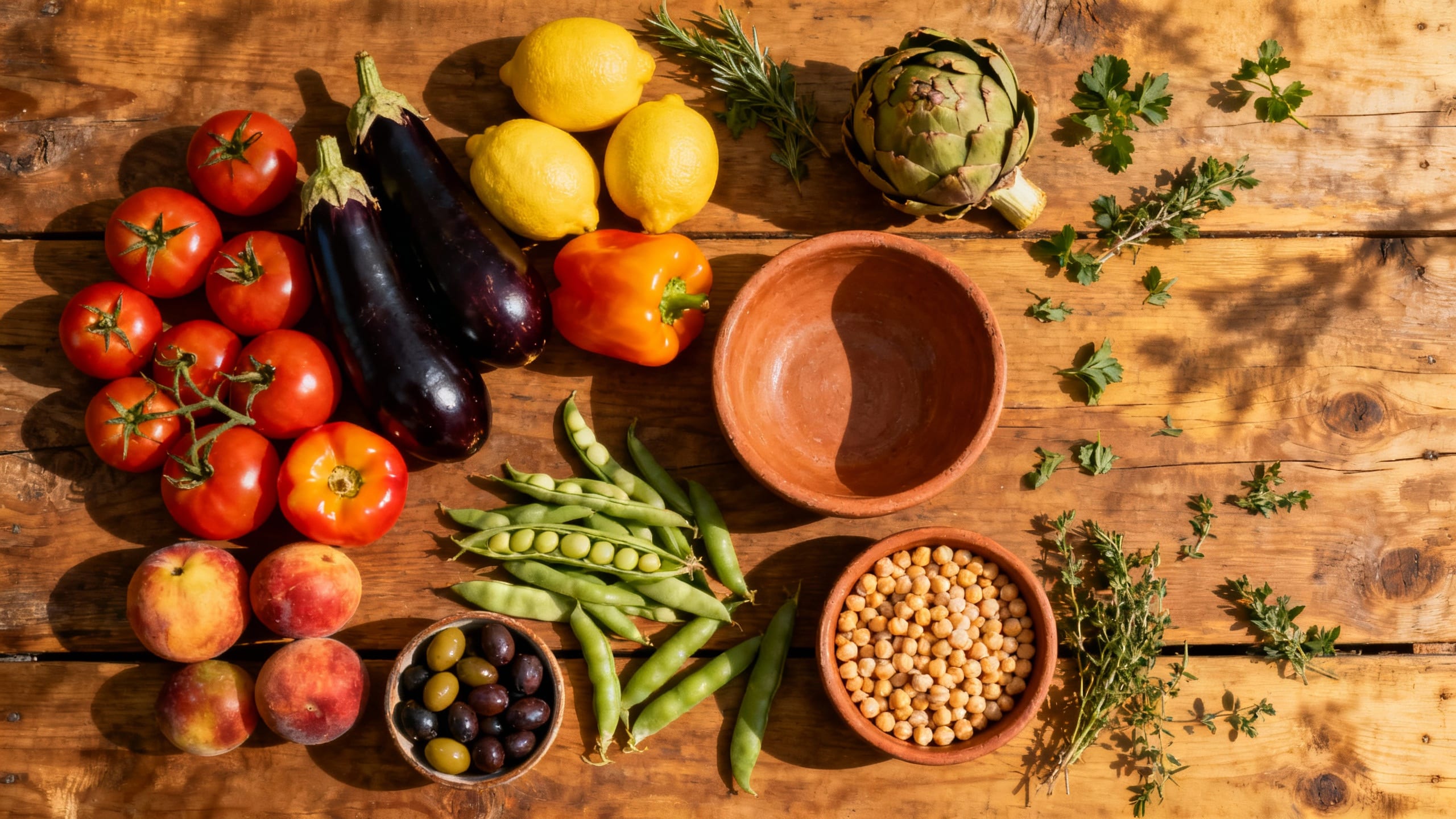
Plant-based foods are the backbone of the Mediterranean diet, providing an abundance of fiber, vitamins, minerals, and antioxidants. Tomatoes, leafy greens (like spinach and kale), bell peppers, eggplant, and zucchini are common vegetables, while berries and citrus fruits offer natural sweetness and a burst of nutrients. Legumes, such as chickpeas and lentils, are powerhouse ingredients, supplying plant-based protein, complex carbohydrates, and high fiber content that promotes gut health and stable blood sugar levels. These ingredients are typically consumed in much higher quantities than in the average American diet, often forming the bulk of meals.
What About Protein and Whole Grains?
Protein sources in the Mediterranean diet lean towards lean options. Fish, especially fatty varieties like salmon, sardines, and mackerel, are highly prized for their omega-3 fatty acid content, which is vital for heart and brain health. Poultry is consumed in moderation, while red meat is a less frequent guest at the table. Greek yogurt is a popular dairy choice, offering probiotics and protein. When it comes to carbohydrates, whole grains take precedence over refined ones. Whole wheat bread, oats, quinoa, and bulgur provide complex carbohydrates that offer sustained energy and essential fiber. Building a balanced Mediterranean meal can sometimes feel like a puzzle. With Eatibo, you can scan your completed plate or even individual components like a piece of salmon or a serving of quinoa, and get instant macros, calorie counts, and a personalized Eat/Limit/Skip rating tailored to your specific goals, whether that's muscle gain or weight loss.
The Mediterranean diet isn't about rigid rules, but rather a delicious, sustainable lifestyle that prioritizes whole, unprocessed foods. You can start small: swap butter for olive oil in your cooking, add a handful of nuts to your daily snack, or incorporate a legume-based dish at least once a week. Your journey to feeling better and living longer can truly begin one flavorful, healthy scan at a time.
Decision framework
| What to check | Why it changes the answer | Practical next step |
|---|---|---|
| Plant foods, legumes, whole grains, seafood, olive oil | These are the pattern's useful anchors | Build the plate around these before adding extras |
| Bread, pasta, rice, cheese, nuts, oil, or wine | Mediterranean foods can still be calorie-dense | Keep the portion visible instead of assuming the label makes it healthy |
| Sodium, added sugar, and saturated fat | Packaged and restaurant versions vary widely | Check labels, sauces, and sides separately |
| Medical or allergy boundary | A cuisine pattern is not personalized care | Follow clinician-directed limits first |
Concrete examples
- If a meal has vegetables, beans, olive oil, and fish, it may fit the pattern even without a perfect label.
- If a restaurant dish is mostly bread, cheese, creamy sauce, or fried sides, check the portion before assuming it is light.
- If you repeat the same Mediterranean meal weekly, log it once and adjust from your own trend.
Limits and safety notes
Mediterranean-style eating is a general pattern, not a medical prescription. For diagnosed conditions, pregnancy, kidney disease, diabetes medication, severe allergies, eating-disorder recovery, or clinician-directed diets, get qualified guidance before changing your routine.
Where Eatibo fits
Eatibo can turn a broad Mediterranean idea into a specific food decision. Scan the meal, menu, barcode, nutrition label, or ingredient list, then compare calories, macros, sodium, added sugar, allergens, additives, and weekly Nutrition Log patterns.
Sources and references
- American Heart Association: What is the Mediterranean Diet?
- HHS/ODPHP: Current Dietary Guidelines for Americans
- USDA/FNS: Dietary Guidelines for Americans
Frequently asked questions
Is Mediterranean food always healthy?
No. The pattern can be very useful, but portions, sodium, refined grains, cheese, alcohol, sauces, and sweets still matter.
What should I look for first?
Look for vegetables, beans, whole grains, olive oil, fish or lean protein, and minimally processed foods. Then check sodium, added sugar, protein, fiber, and serving size.
Where does Eatibo help?
Eatibo helps when you need to scan a real meal, menu, barcode, label, or ingredient list and compare it against your weekly pattern.
Related reading
- Savoring Health – The Mediterranean Diet Decoded
- Savoring the Mediterranean Diet: Your Guide to Healthier Grilling & Grocery Shopping
- The Mediterranean Diet: A Timeless Taste of Health
Last updated: June 1, 2026